

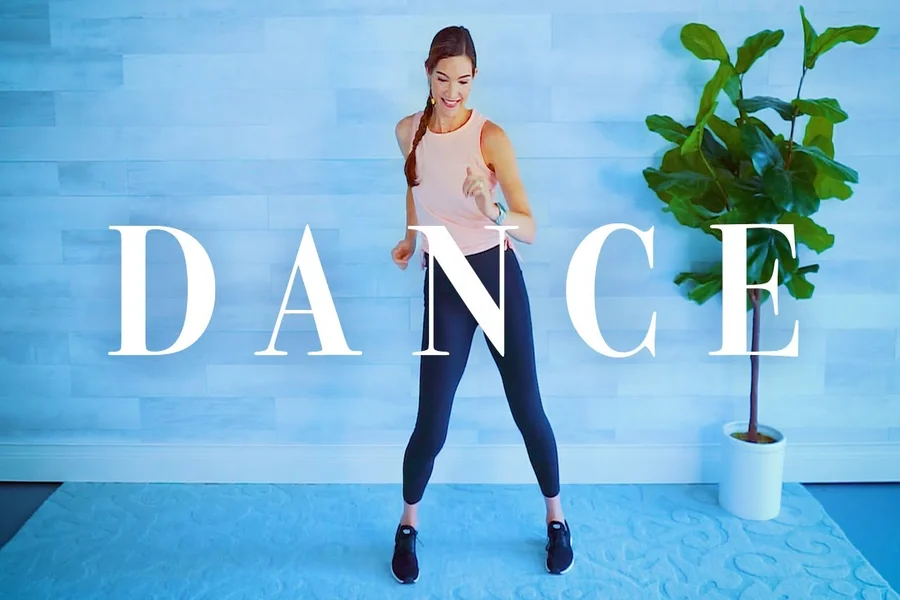
Starting a dance workout for beginners at home is one of the most enjoyable ways to become more active without feeling like you are following a traditional exercise routine. Dancing combines movement music and fun while helping improve your overall fitness. It allows beginners to burn calories strengthen muscles improve balance and boost mood from the comfort of home.
One of the biggest advantages of dance workouts is that they feel exciting rather than repetitive. You do not need previous dance experience expensive equipment or a large workout space. All you need is comfortable clothing supportive shoes if needed and enough room to move safely.
Whether your goal is improving fitness increasing energy managing weight or simply enjoying daily movement this guide will help you begin your home dance fitness journey with confidence.
Why Dance Workouts Are Perfect for Beginners
Dance workouts are easy to adapt to different fitness levels. Beginners can move slowly while learning basic steps and gradually increase intensity as confidence grows.
Unlike many traditional workouts dancing keeps both your body and mind engaged. Following music and movement patterns helps improve coordination while making exercise more enjoyable.
Dance also supports heart health by increasing your heart rate through continuous movement. At the same time many dance routines strengthen your legs core arms and back through natural body movements.
Another major benefit is flexibility. You can complete a short fifteen minute session during a busy day or enjoy a longer workout when you have extra time.
Because dance feels more like entertainment many beginners find it easier to stay consistent compared to other forms of exercise.
Preparing Your Space Before You Dance
A safe workout environment helps prevent injuries and makes your sessions more enjoyable.
Choose an open area with enough room to extend your arms and move in different directions without hitting furniture.
Wear comfortable clothing that allows free movement. Supportive athletic shoes work well on most hard floors while some people prefer dancing barefoot on non slippery surfaces depending on the workout style.
Keep a water bottle nearby so you can stay hydrated throughout your session.
Good ventilation also helps you remain comfortable during longer workouts.
Before pressing play on your favorite music take a few minutes to clear the floor and remove anything that might become a tripping hazard.
Warm Up Before Every Dance Workout
Never skip your warm up because it prepares your muscles and joints for movement.
Begin by marching gently in place for two or three minutes to increase your heart rate gradually.
Continue with shoulder rolls arm circles neck stretches and hip rotations.
Add light side steps gentle knee lifts and ankle circles to prepare your lower body.
Finish with slow body twists and deep breathing before starting your dance routine.
A proper warm up usually takes five to ten minutes and helps reduce the risk of muscle strain while improving overall performance.
Easy Dance Moves for Beginners
You do not need complicated choreography to enjoy an effective puzutask com workout. Simple movements provide excellent exercise while helping build confidence.
Start with side steps by stepping right then left while swinging your arms naturally.
Grapevine steps introduce gentle side movement with crossing feet that improves coordination over time.
Marching with high knees increases your heart rate while strengthening your legs and core.
Step touches involve stepping to one side then bringing the opposite foot to meet it. This basic move appears in many beginner dance routines.
Add gentle arm reaches overhead or across your body to involve your upper body and increase calorie burn.
Simple body rolls hip sways and light bouncing movements also add variety without requiring advanced dance skills.
As your confidence improves you can combine these basic steps into longer dance combinations.
A Weekly Dance Workout Plan
Following a simple schedule helps create consistency without overwhelming your body.
Monday can include a twenty minute beginner dance workout focusing on basic steps and steady movement.
Tuesday is ideal for light stretching yoga or a relaxing walk to encourage recovery.
Wednesday repeat your dance workout while increasing your energy slightly if you feel comfortable.
Thursday can include mobility exercises or gentle stretching to improve flexibility.
Friday is another dance workout day where you focus on smoother transitions and improved coordination.
Saturday offers an opportunity to enjoy longer dance sessions or try different music styles that keep your workouts exciting.
Sunday should be a rest day allowing your muscles to recover before the next week begins.
This balanced routine supports steady progress while reducing the risk of overtraining.
Benefits Beyond Physical Fitness
Dance workouts improve much more than physical health.
Moving to music often reduces stress and fin techasia.net helps improve mood. Many people finish a dance session feeling happier and more relaxed than when they started.
Learning new dance patterns challenges your brain and improves memory coordination and concentration.
Regular movement also increases energy levels making everyday activities feel easier.
Many beginners notice improved posture because dancing encourages better body awareness and core engagement.
Over time dance workouts may also increase confidence as you become more comfortable with movement and celebrate your progress.
These emotional and mental benefits make dancing a rewarding long term fitness habit.
Common Beginner Mistakes to Avoid
Many beginners try to copy advanced dancers too quickly. Focus on learning basic movements before increasing speed or complexity.
Skipping warm ups and cool downs may increase muscle soreness and injury risk.
Comparing yourself with experienced dancers can reduce motivation. Everyone learns at a different pace.
Poor posture during dancing may place unnecessary strain on your back and knees. Keep your movements controlled and maintain good alignment throughout each session.
Do not exercise through pain. Mild fatigue is normal but sharp pain should never be ignored.
Finally remember that consistency matters much more than perfection. Regular practice leads to noticeable improvement over time.
Final Thought
Starting a dance workout for beginners at home is a fun and practical way to improve your fitness while enjoying every session. You do not need professional dance experience expensive equipment or long workouts to experience positive results.
By learning simple dance steps warming up properly staying consistent and listening to your body you can gradually improve your strength endurance coordination and confidence. Most importantly dancing allows exercise to become something you genuinely look forward to instead of a daily chore.
With patience regular practice and a positive attitude you can build a healthy lifestyle one dance session at a time.
FAQs
Is a dance workout good for beginners?
Yes. Dance workouts are beginner friendly because they can be adjusted to different fitness levels and require no previous dance experience.
How long should a beginner dance workout last?
Most beginners can start with fifteen to thirty minutes and gradually increase workout time as fitness improves.
Can dance workouts help with weight loss?
Dance workouts can support healthy weight management when combined with balanced nutrition and regular physical activity.
Do I need special equipment?
No. Comfortable clothing enough space to move and music are usually all you need to begin dancing at home.
How many days each week should I dance?
Three to five sessions each week provide a good balance between exercise and recovery for most beginners.
What type of music works best for dance workouts?
Choose music with a steady rhythm that motivates you to keep moving. The best choice is music that you enjoy listening to.
How long does it take to improve?
Many beginners notice better coordination increased energy and improved endurance within a few weeks of practicing consistently. Visible fitness improvements usually develop with regular exercise and healthy lifestyle habits over time.

Curious about how rich your favorite celebrities are? Worth Informer reveals net worth, income, luxury assets, financial, athletes, and business icons worldwide.
